Keep your business secure, productive, and prepared with a proactive device lifecycle strategy that reduces risk, improves performance, and makes technology planning more predictable.
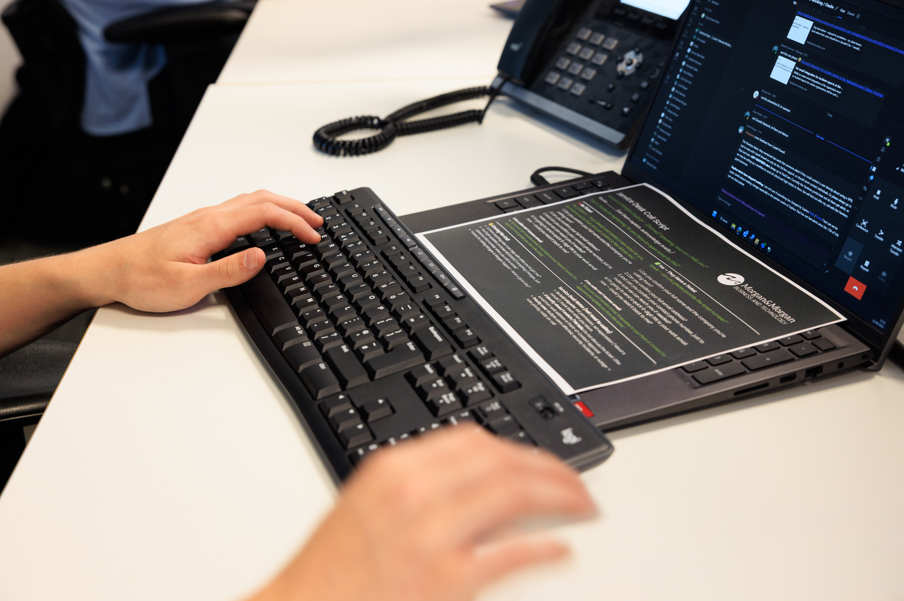
Modern organisations rely heavily on connected devices to support daily operations.
Laptops, desktops, and phones are all essential for communication and productivity every day. However, unmanaged or outdated devices can create significant operational and security risks.
Lifecycle planning helps businesses manage technology more strategically. Rather than reacting to failures or replacing devices inconsistently, organisations can plan upgrades, maintenance, and deployment more effectively.
One of the biggest advantages is better security. Unsupported operating systems and aging hardware frequently create vulnerabilities that cyber attackers exploit. Structured refresh cycles help organisations maintain supported, secure environments while reducing exposure to risk.
Employee productivity also improves. Reliable devices reduce downtime, minimise frustration, and support better user experiences.
Lifecycle strategies also support financial planning. Businesses gain greater visibility into technology investments and can forecast replacement costs more accurately.
As hybrid working continues to evolve, device management will remain critical. Employees require secure, reliable access to systems regardless of location.
A proactive lifecycle strategy helps organisations support operational continuity while improving resilience and efficiency.
We can help you get started. Get in touch with us to see how we can help you plan and prepare.